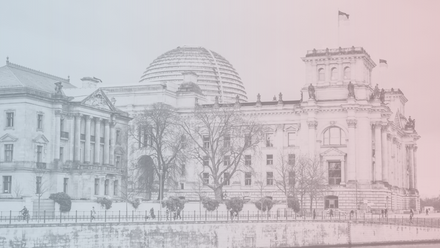
Germany has moved to restrict exclusive rebate contracts for biosimilars until the end of June 2028, adding a payer-contracting measure to the wider pharmacy-supply legislation adopted by the Bundestag on 22 May 2026. The amendment protects the use of multi-supplier discount contracts at a time when biological substitution is becoming a more active cost-containment tool in statutory health insurance.
The Bundestag adopted the Apothekenversorgung-Weiterentwicklungsgesetz (Act on the Further Development of Pharmacy Supply, ApoVWG) with votes from the CDU/CSU and SPD. The Bundestag report says the Health Committee (Gesundheitsausschuss) approved 13 coalition amendments on 20 May. One subject-matter amendment concerned the exclusion of rebate contracts for biosimilars until the end of June 2028.
The restriction addresses exclusive tenders in which one manufacturer wins the contract for a biosimilar. Working Group Pro Biosimilars (Arbeitsgemeinschaft Pro Biosimilars, AG Pro Biosimilars), the biosimilar manufacturers’ interest group under the German generics and biosimilars association Pro Generika, said the amendment instead allows open-house contracts to continue. Under that model, several suppliers can sign contracts with sickness funds at defined discounts.
AG Pro Biosimilars said the legislative justification referred to strengthening the resilience of medicines production in Germany against shortages and global crises. It also argued that open-house contracts had delivered most biosimilar rebate savings. Citing an IGES Institute study, it said 75% of biosimilar savings had come through that model.
The timing remains commercially important. AG Pro Biosimilars warned that several sickness-fund groups had already started exclusive tenders for almost all biosimilar active substances and that awards could be made before ApoVWG enters into force. Contracts concluded before entry into force may therefore shape parts of the market despite the Bundestag vote.
The amendment creates a two-year test of Germany’s preferred biosimilar procurement model. It favours broader supplier participation over winner-takes-all tendering, while keeping price competition within the rebate-contract framework. The evaluation due before mid-2028 will indicate whether policymakers view multi-supplier discounting as a temporary safeguard or a longer-term feature of statutory health insurance procurement.
Source: German Bundestag; Working Group Pro Biosimilars
Link: Bundestag verabschiedet Apothekenreform (Bundestag adopts pharmacy reform); Verbot von exklusiven Rabattverträgen bei Biologika (Prohibition of exclusive rebate contracts for biologics)
Date: 22 May 2026